Choosing a Preschool in Orlando - A Parent's Guide
By James Larsen, Director, Early Childhood Learning Center, Shalom Orlando
6 minutes
Choosing a preschool is one of the biggest decisions most families make in the early years.
For many parents, it is the first time you are handing over a large part of your child’s day to people outside your family. It is emotional. It is practical. It is financial. And it shapes how your child begins to see school, learning, friendships, and themselves.
I am the Director of the Early Childhood Learning Center in Maitland. I absolutely have a point of view. At the same time, I genuinely want parents to make the right decision for their child, even if that decision is not us.
This is the preschool parent guide I would give a close friend who was choosing a preschool.
How do you choose a preschool in Orlando?
When families start choosing a preschool, they often begin by researching websites, tuition rates, and photos. Those things matter, but they are not what tells you whether a preschool is truly strong.
The real questions are simpler.
What kind of learning is happening in the classroom?
How do the teachers speak to children?
What does the day actually feel like?
Does your child seem safe, curious, engaged, and excited to return?
Those answers usually become clear during a tour.
If possible, spend real time inside a classroom. Listen carefully. Observe the rhythm of the day. That will tell you far more than a brochure ever can.
What you are really paying for
Preschool tuition varies widely.
Some schools are closer to one thousand dollars a month. Others can approach three thousand. The higher price does not automatically mean stronger early childhood education. Sometimes it reflects location, amenities, or branding more than the classroom experience itself.
What truly matters is this:
The quality and consistency of the teachers
The classroom environment
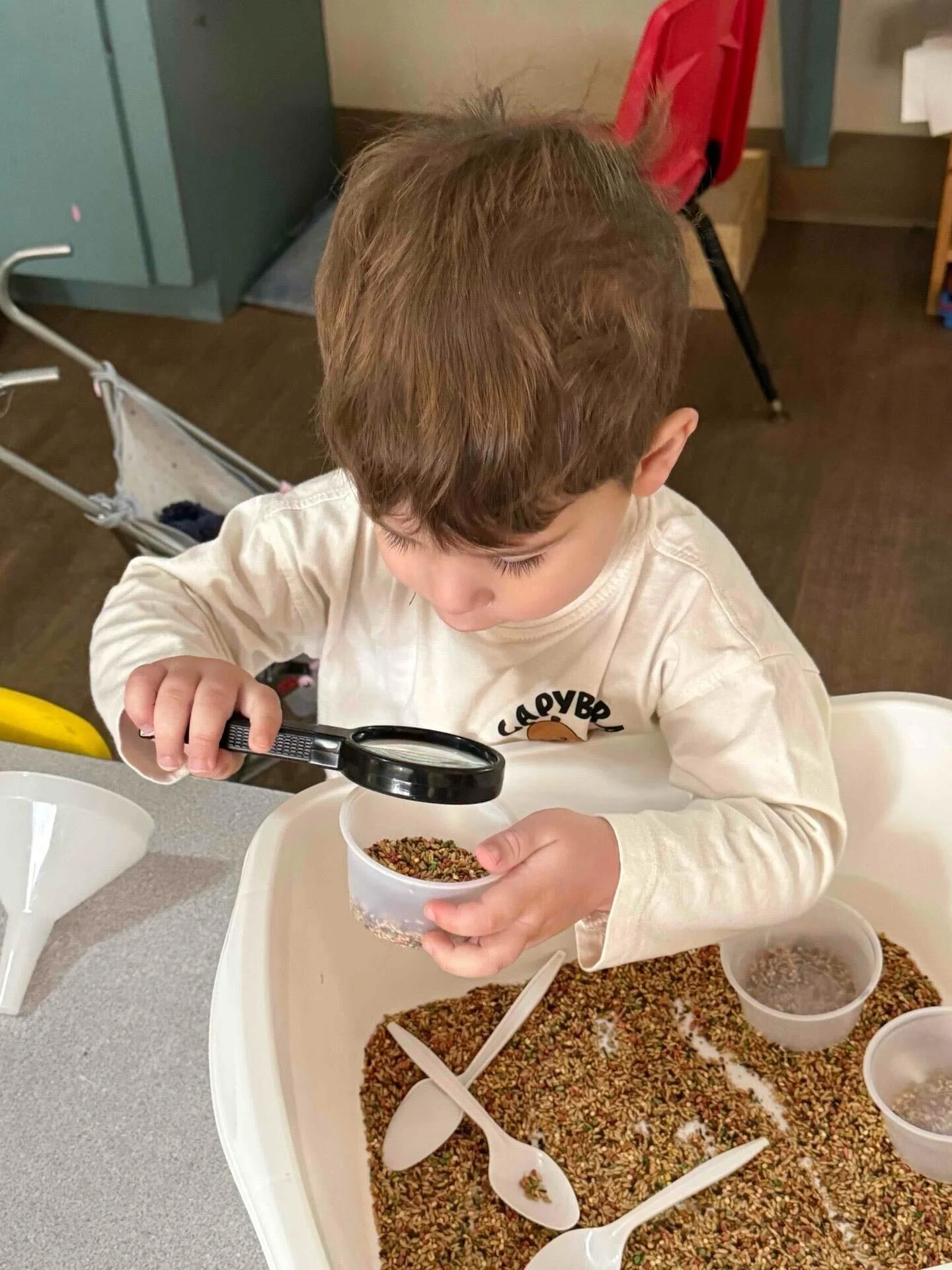
The materials children work with
The rhythm of the day
Everything else grows from those four things.
When teachers stay for years, children feel secure. When classrooms are calm and thoughtfully designed, children can focus deeply. When materials encourage creativity and problem solving, children become active learners instead of passive participants.
That foundation matters enormously.
The seven questions to ask on a preschool tour
Here are the preschool tour questions I encourage every parent to ask, including on tours with us.
How long have your teachers been here?
Teacher consistency matters more than most parents realize.
Children thrive in environments where teachers know the community deeply and where relationships grow over time. A school with long-term teachers is often a school with strong culture, stability, and leadership.
Walk me through a typical day
A strong preschool schedule should have clear rhythm and structure without feeling rushed.
You want to hear specific details about classroom flow, project time, outdoor play, meals, rest, transitions, and how children move through the day emotionally and socially.
Show me children work
Look carefully at the walls and classroom materials.
You should see children’s own writing everywhere, including imperfect writing.
The alphabet is being learned organically through the children’s own interaction with literacy because they are interested in communicating their ideas. Preschool skills grow strongest when children use writing and drawings for real purposes that matter to them.
How do you respond when a child is upset?
Strong teachers help children move through emotions with patience, connection, and support.
Young children are still learning how to regulate frustration, disappointment, sadness, and conflict. Preschool should help children build those skills safely and confidently.
What happens when children ask questions adults cannot immediately answer?
The strongest classrooms welcome curiosity.
Children learn that asking thoughtful questions matters. Teachers model exploration and problem solving alongside the children.
How is screen time handled?
Young children learn best through hands-on exploration, movement, conversation, relationships, outdoor play, and meaningful projects.
That remains the center of strong early childhood education.
Can I spend time observing a classroom?
This may be the most important question of all.
Ten minutes inside a classroom will often tell you everything you need to know about the atmosphere, relationships, engagement, and learning happening there.
What to look for on the walls
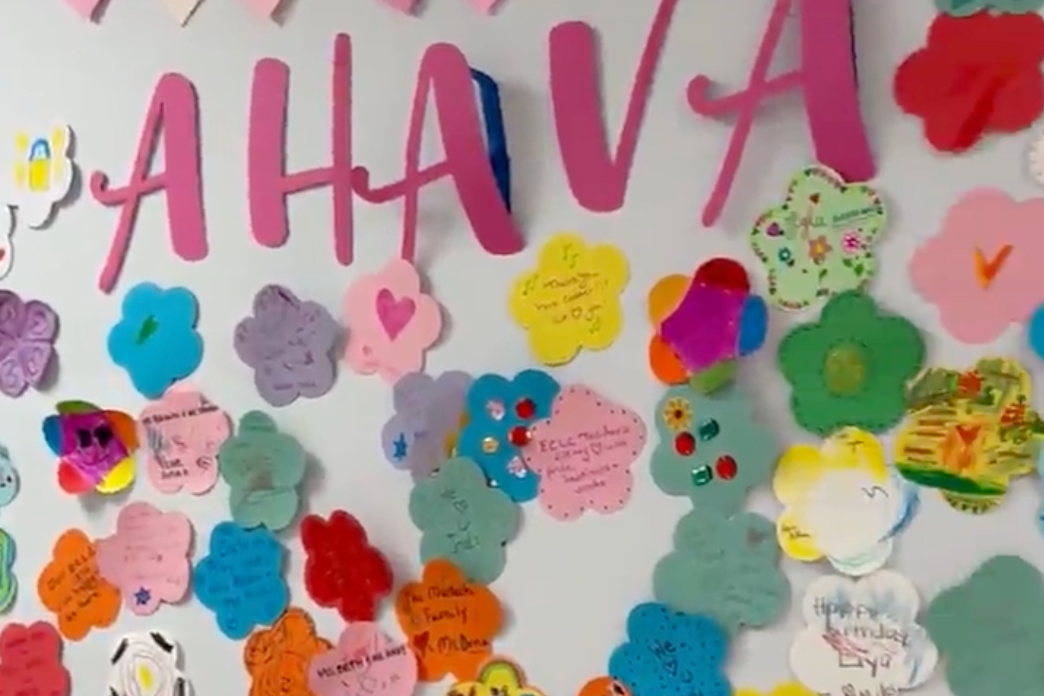
The walls of a preschool classroom tell an important story.
Children’s actual work
Look for drawings, charts, notes, photographs, observations, lists, and project documentation created by the children themselves.
When children’s work fills the room, it signals that the classroom belongs to the children, not simply to a pre-designed theme or decoration package.
Real writing from children
Even very early writing matters.
Four year olds writing letters backward or sounding out words imperfectly are doing exactly the developmental work they should be doing. Preschool reading skills and preschool writing skills grow through meaningful use and experimentation.
Real moments
Photos should feel natural and authentic.
You want to see children deeply engaged, collaborating, exploring, building, laughing, observing, and thinking.
Calm spaces
Classrooms that feel calm, intentional, and organized often support deeper focus and stronger learning experiences for children.
What to watch in the teachers
During a preschool tour, spend as much time observing the teachers as you do looking at the materials.
Watch how teachers speak to children.
Strong preschool teachers ask thoughtful questions. They listen carefully. They kneel to children’s eye level. They make children feel seen and respected.
Also pay attention to how teachers respond when things do not go perfectly.
A child becomes frustrated. A tower collapses. Someone spills water. A disagreement happens. The best teachers stay calm, warm, flexible, and connected through all of it. Those moments reveal a great deal about the emotional climate of the classroom.
Should you consider a Jewish preschool?
Even families who are not Jewish often find themselves drawn to a Jewish preschool because of the overall environment and sense of community.
Jewish early childhood education often places strong emphasis on:
Community and belonging
Relationships and kindness
Meaningful rituals and rhythms
Curiosity and thoughtful questioning
Caring for one another
At our school, Jewish traditions are woven naturally into the week through songs, celebrations, stories, Shabbat, and community experiences.
Many of our families are Jewish. Many are not. Families often come because they connect with the warmth, values, learning environment, and sense of belonging they feel here.
What we offer at the ECLC
Our Early Childhood Learning Center is a constructivist preschool built around project-based learning and strong relationships.
Children absolutely learn letters, numbers, reading, writing, and kindergarten readiness skills here. They learn those skills organically through meaningful projects, conversations, exploration, storytelling, art, science, dramatic play, and collaboration.
The alphabet is being learned in our classrooms through the children’s own reading and writing because they are genuinely engaged in what they are creating and exploring.
Teachers guide children thoughtfully and patiently. Curiosity is encouraged. Emotions are supported. Projects unfold over time instead of being rushed from one activity to another.
Shabbat becomes part of the weekly rhythm in warm and joyful ways. Are we the right fit for every family? Probably not.
Are we often the right fit for families who value deep learning, curiosity, relationships, emotional development, and meaningful preschool experiences? Very often, yes.
A note from me
Whatever preschool you ultimately choose, I strongly encourage you to tour in person.
Watch the classrooms carefully. Listen to the teachers. Read the walls. Observe how children move through the environment.
The feeling of a preschool tells you a great deal.
If you would like to visit us at our preschool in Maitland, Florida, we would love to welcome you.

About the Author
James Larsen is the Director of the Early Childhood Learning Center at Shalom Orlando. Before joining the ECLC, he spent more than thirty years in Orange County public education, finishing his career there as a deputy superintendent. His two children attended the ECLC, and he returned to the preschool he knew as a parent in order to lead it. He holds a PhD in education with a minor in psychology, and has spent his career thinking about how young children actually learn.