Kindergarten Readiness at Our Preschool - What It Looks Like
By James Larsen, Director, Early Childhood Learning Center, Shalom Orlando
6 minutes
If you are looking at preschools, at some point you are probably going to ask yourself a very important question.
Is my child ready for kindergarten?
It is absolutely the right question to ask. Kindergarten today asks a great deal of young children. In many classrooms, children are expected to recognize letters, begin reading simple words, count confidently, write their names, follow directions, and participate successfully in group learning from the very first days of school.
Parents want reassurance that the preschool they choose is truly preparing their child for that transition.
This is the honest answer to what kindergarten readiness means at our Early Childhood Learning Center, how children develop those skills here, and what families will actually see when they walk through our classrooms.
What does kindergarten readiness mean?
Kindergarten readiness is much bigger than academics alone.
Yes, children need strong early literacy and math foundations. They need to recognize letters, begin connecting sounds to words, count, compare quantities, write their names, and communicate clearly. Those skills absolutely matter.
At the same time, there are other skills that matter just as much on the first day of kindergarten.
Can a child move through transitions confidently? Can they participate in a group? Can they recover from frustration? Can they ask for help? Can they stay curious when something feels challenging?
A strong kindergarten readiness preschool helps children build all of those pieces together.
At our ECLC Preschool Maitland, we believe children learn best when academic skills are connected to meaningful experiences they care about.
How we help children get there
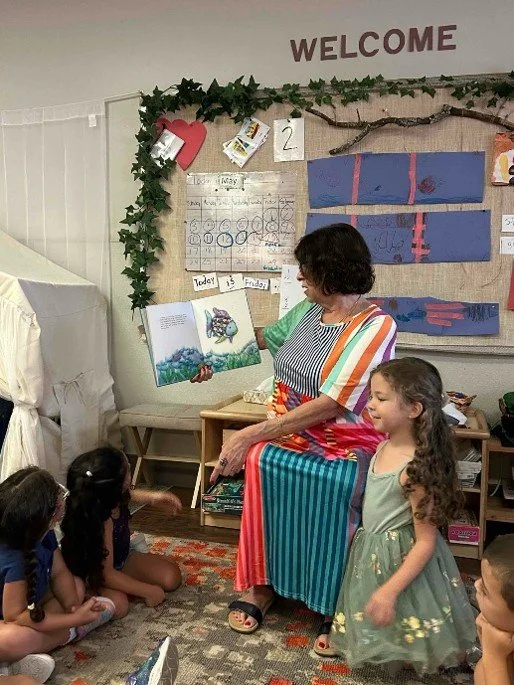
Our school is built around project-based learning, grounded in constructivism.
That language can sound abstract, so here is what it actually looks like in real life.
Children at the ECLC absolutely learn letters, numbers, reading, writing, counting, and early math skills every single day. The difference is that these skills are woven into real experiences instead of separated into isolated drills.
A child exploring rainwater over two weeks may count cups, compare measurements, label drawings, ask how to spell the word “puddle,” dictate observations to a teacher, and engage with books about weather patterns.
Inside one meaningful project, that child is building preschool literacy and early math skills, scientific observation, collaboration, and confidence all at once.
The alphabet is being learned in our classrooms organically through the children’s own writing and reading because they are genuinely interested in what they are exploring. Counting becomes meaningful because children are using numbers for real reasons.
Young children remember skills much more deeply when those skills are connected to curiosity and experience.
That is one of the reasons preschool kindergarten preparation at the ECLC feels so different when you walk into the classrooms.
What you will see in our classrooms
When you walk through our school on any given morning, you will see kindergarten readiness happening everywhere.
In the two year old classrooms
You will see children sorting, stacking, singing, naming colors, exploring shapes, and hearing language constantly throughout the day.
Letters and numbers are part of the classroom environment naturally. Children begin recognizing them the same way they begin recognizing familiar songs, names, and routines. Books are readily available. Teachers bring language into everyday moments continuously.
In the three year old classrooms
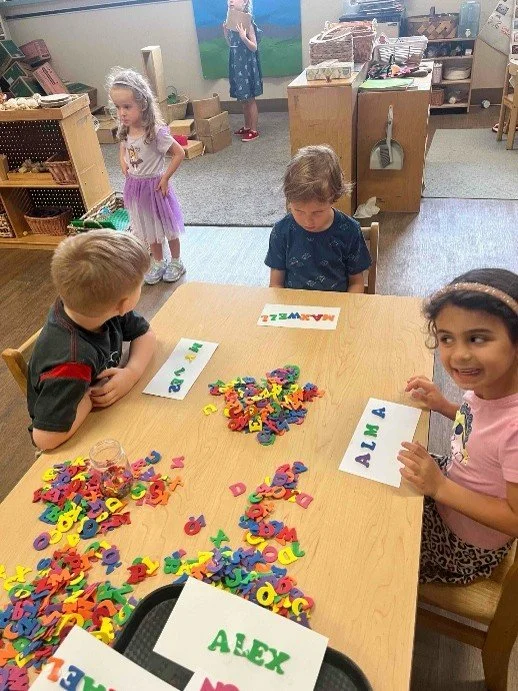
You will see children interested in writing their names with proud, uneven letters.
You will hear conversations about sounds and words. You will see children using baskets of letters and numbers during play and project work. Teachers help children connect spoken language with written language naturally and joyfully.
Children begin understanding that reading and writing are meaningful tools for communication.
In the four year old classrooms
This is where many kindergarten readiness skills come together very clearly.
You will see children writing notes, labeling drawings, making lists, recognizing words, counting well beyond twenty, participating in conversations, and working collaboratively on projects.
Preschool reading skills and preschool writing skills become more visible because children are now using them inside meaningful classroom experiences.
Five signs of kindergarten readiness parents can watch for
If you are wondering whether your child is ready for kindergarten, here are five important markers we typically look for before children leave us.
Recognition of letters and names
Children recognize their own names and begin identifying familiar words and letters throughout the classroom environment.
Early writing confidence
Children attempt writing regularly, even when letters are imperfect or reversed. That experimentation is a healthy and important part of learning.
Early math understanding
Children count confidently, compare quantities, sort objects, recognize patterns, and use numbers naturally throughout play and projects.
Ability to follow multi-step directions
Children can manage simple sequences independently, like putting away materials, getting their water bottles, and joining the group.
Emotional resilience
Children know how to ask for help, work through frustration, and stay engaged when something feels difficult.
This is one of the most important kindergarten readiness skills of all.
What kindergarten teachers tell us about ECLC graduates
One of the best measures of a preschool is what happens after children leave it.
Kindergarten teachers who regularly receive graduates from our ECLC often tell us similar things. Our children arrive curious, confident, engaged, and ready to participate. They know how to focus. They know how to communicate. They know how to ask thoughtful questions and work through challenges.
The reading and math skills continue growing quickly because the foundation underneath them is already strong.
That foundation is what we are building every single day.
The academic skills matter deeply. The habits of thinking, problem solving, communication, and confidence that support those skills matter too.
Questions parents should ask on a preschool tour
Three questions worth asking on any preschool tour, including ours.
How do children begin the writing process?
Look for children’s own writing throughout the classroom. You should see evidence that children are using writing meaningfully.
How do teachers know children are ready for kindergarten?
A strong answer should include careful observation, individualized support, and an understanding of both academic and social development.
Can I spend time observing a classroom?
Ten minutes inside a classroom often tells parents more than any brochure or website possibly can.
You can feel whether children are engaged, confident, curious, and connected.
A note from me
I have spent much of my career thinking about how people learn and grow. Taking on the director role of an early childhood learning center has reinforced for me how important early childhood education truly is.
What happens during these years shapes how children see themselves as learners for a very long time.
At our preschool, children build reading, writing, math, communication, confidence, and problem-solving skills through real experiences, meaningful relationships, and genuine curiosity.
If you are looking at preschools in Central Florida and wondering whether kindergarten readiness happens here, I would encourage you to come visit.
You will see it happening all around you.

About the Author
James Larsen is the Director of the Early Childhood Learning Center at Shalom Orlando. Before joining the ECLC, he spent more than thirty years in Orange County public education, finishing his career there as a deputy superintendent. His two children attended the ECLC, and he returned to the preschool he knew as a parent in order to lead it. He holds a PhD in education with a minor in psychology, and has spent his career thinking about how young children actually learn.