What Is Project-Based Learning, and Why Does Our Preschool Use It?
By James Larsen, Director, Early Childhood Learning Center, Shalom Orlando
6 minute read
Before joining the Early Childhood Learning Center, I spent more than 30 years in Orange County public education, finishing my career as a Senior Executive Director. During those years, I watched thousands of children learn to read, write, solve problems, and grow into confident young people. One thing became very clear to me: the environment matters.
I also experienced this school as a parent. Both of my children attended this preschool, and my wife and I chose it because of what we saw when we first walked into the classrooms. The children were deeply engaged. Teachers listened carefully and guided thoughtfully. The classrooms felt calm, organized, and purposeful. Children were not being rushed from one activity to another,they were fully invested in what they were doing.
That difference is intentional.
The approach we use is often called project-based, inquiry-based, or constructivist learning. While educators may use different terms, the central idea is the same:
Children learn best when curiosity is at the center of the experience.
Here is what that means, and why we believe it prepares children exceptionally well for kindergarten and beyond.
What Is Project-Based Learning?
Project-based early childhood education allows children to explore meaningful questions over time with the support of skilled teachers and thoughtfully prepared classrooms. Children investigate ideas, test theories, create, collaborate, ask questions, and build understanding through hands-on experiences.
Teachers guide the learning process by observing closely, asking thoughtful questions, and introducing materials and experiences that deepen children's thinking.
At the same time, foundational academic skills are being developed every day. Children learn letters and sounds through authentic interactions with literacy. Counting, sorting, comparing, measuring, reading, and writing are naturally woven into projects they care about.
Young children learn most deeply when the work is meaningful to them.
Where This Approach Comes From
The roots of project-based learning are closely connected to the schools of Reggio Emilia in northern Italy. Following World War II, educators there built schools around a powerful belief: children are capable thinkers from the very beginning.
Today, many highly regarded early childhood programs draw from those principles. Whether called inquiry-based learning, constructivism, or project-based learning, the philosophy remains the same.
At our school, we see children as capable learners. We believe they build understanding through real experiences, real materials, and meaningful conversations. We believe classrooms should foster curiosity, creativity, communication, and independence.
This does not mean children are left to direct their own learning without guidance. Strong project-based learning requires highly intentional teachers who understand child development and know how to support learning in meaningful ways.
The result is children who arrive at elementary school ready academically, socially, and emotionally.
What a Project Looks Like in Our Classrooms
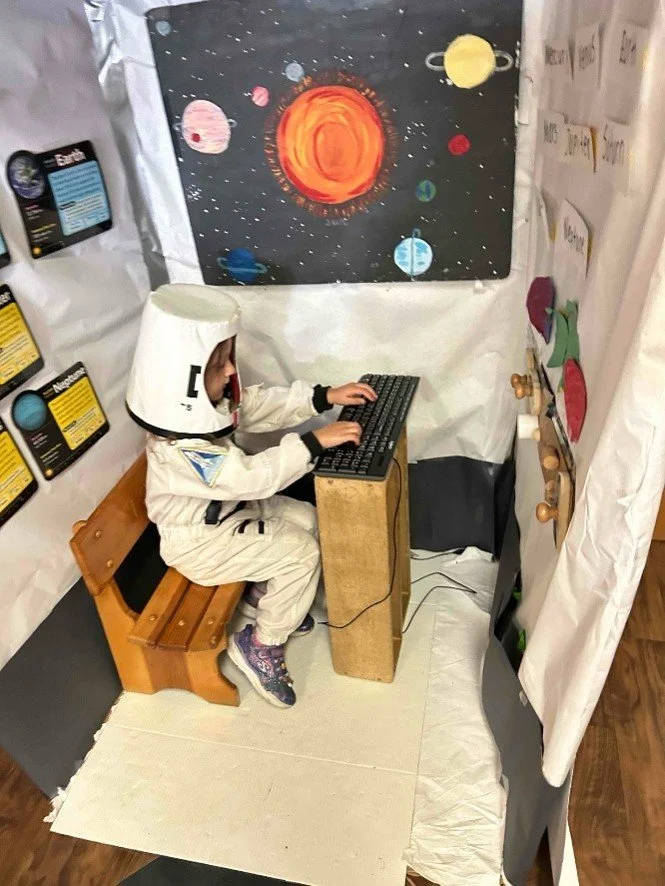
Here's a recent example.
One of our teachers asked children what they were interested in while playing in the gymnasium. One child mentioned the sun. Another talked about the Earth. A third excitedly added, “The whole solar system!”
The teachers built on that curiosity by bringing space-related books, materials, and activities into the classroom. The children designed and built their own rocket, complete with a four-foot launch pad. They created a mission control center and constructed a space capsule where they could imagine life as astronauts.
Along the way, they drew representations of planets and spacecraft using shapes and geometric figures. The project incorporated vocabulary development, counting, observation, problem-solving, communication, and collaboration. The children even documented their experiences in classroom journals.
The learning was connected because the experience was meaningful and real.
How Is This Different from a Traditional Preschool?
In many preschools, learning follows a predetermined calendar. Themes are planned in advance, and children move from one topic to the next.
In a project-based classroom, children's interests help shape the direction of learning.
Teachers still intentionally support language development, early literacy, mathematics, social-emotional growth, fine motor development, and problem-solving skills. The difference is that learning grows from meaningful questions rather than simply following a schedule.
Another important distinction is how teachers respond to curiosity. When a child asks an unexpected question, that question becomes an opportunity for deeper thinking and investigation.
We train our teachers to recognize those moments and build upon them. That is how children become confident thinkers.
What Does Project-Based Learning Produce in Children?
Research on project-based early childhood education is remarkably consistent. Children in these environments perform well on kindergarten readiness measures while also developing skills that serve them throughout their school years.
They learn persistence, collaboration, communication, and problem-solving. They learn how to stay with a challenge and work through it.
In our classrooms, I see children confidently explaining their thinking, working together to solve problems, and developing positive relationships with books because reading connects directly to what they are exploring.
Literacy and early math are not separate from the experience,they are part of it every day. Children learn letters, sounds, counting, patterns, and early reading skills through meaningful engagement.
That kind of learning stays with them.
During my years in public education, I met many students who could memorize information. The students who truly thrived, however, were those who knew how to think critically, ask questions, communicate effectively, adapt, and solve problems independently.
Those skills begin early.
How Parents Can Recognize It on a Tour
When touring any early childhood learning center, there are a few simple things to watch for.
Look at the Walls
In a project-based classroom, the walls reflect children's thinking. You'll see drawings, photographs, writing samples, charts, and documentation showing projects unfolding over time.
In our classrooms, the room tells the story of what children are learning.
Listen to the Teachers
Pay attention to how teachers speak with children. Strong teachers ask thoughtful questions, encourage children to explain their ideas, and help them build on their thinking.
You will hear real conversations.
Watch What Happens When Something Unexpected Occurs
In a strong inquiry-based classroom, unexpected moments become learning opportunities. A child's question can spark an entire investigation.
That flexibility is one of the strengths of this approach.
A Note from Me
I chose to lead the Early Childhood Learning Center because this school reflects what I believe early education should be.
Children deserve classrooms that respect their intelligence and curiosity. They deserve teachers who guide learning thoughtfully and intentionally. They deserve opportunities to become capable readers, writers, problem-solvers, and collaborators.
That work is happening here every day.
Letters, numbers, reading, writing, counting, and other foundational academic skills are all part of our classrooms. Children learn them through meaningful experiences, purposeful play, exploration, and authentic conversation.
If you are exploring preschool options and looking for a program that prepares children for kindergarten while nurturing their natural curiosity, I encourage you to visit us in person.
Spend time in the classrooms. Watch the children work. Listen to the conversations happening around you.
You can feel the difference very quickly.
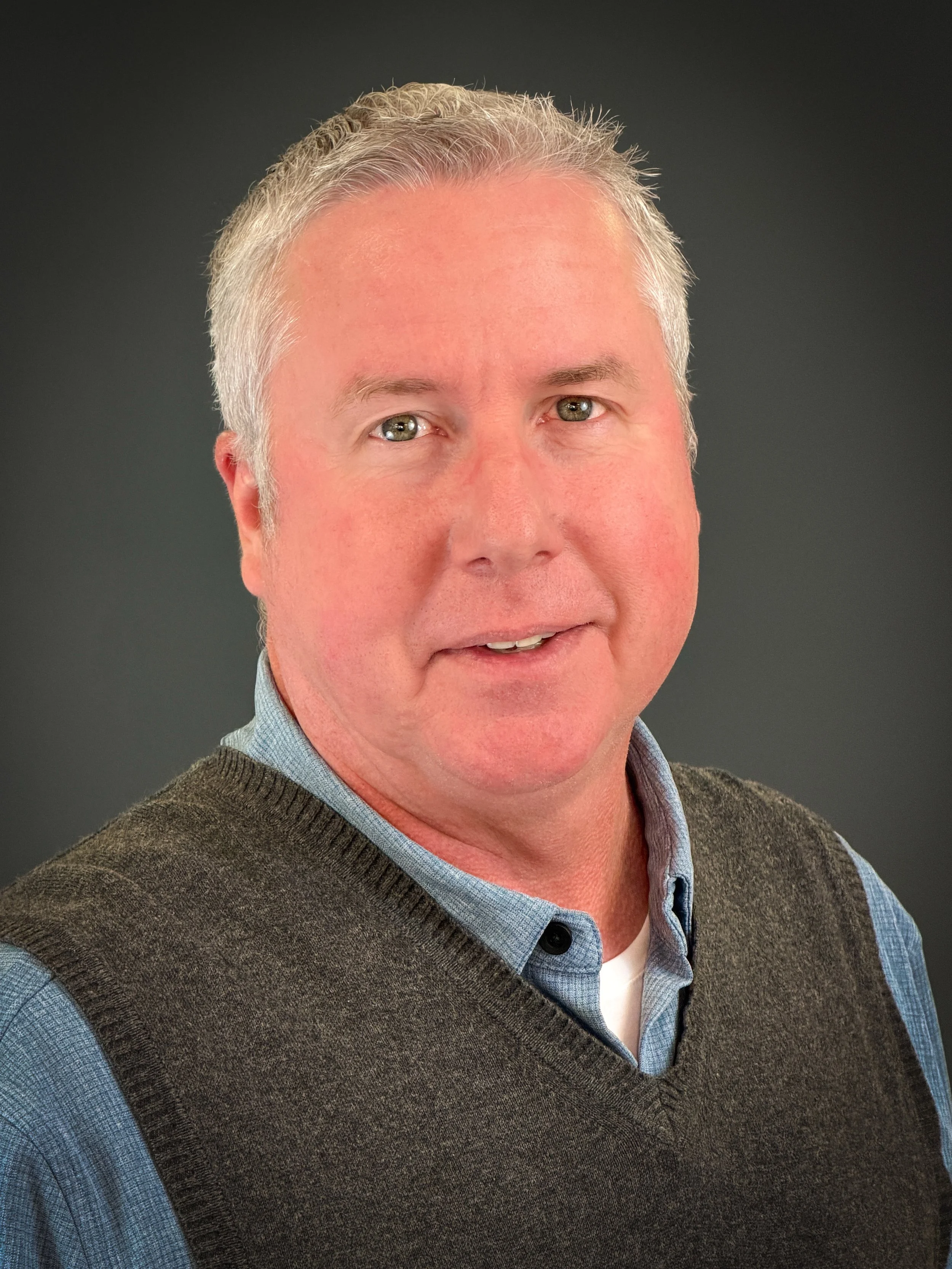
About the Author
James Larsen is the Director of the Early Childhood Learning Center at Shalom Orlando. Before joining the ECLC, he spent more than thirty years in Orange County public education, finishing his career there as a deputy superintendent. His two children attended the ECLC, and he returned to the preschool he knew as a parent in order to lead it. He holds a PhD in education with a minor in psychology, and has spent his career thinking about how young children actually learn.